Red Squiggly Lines
12 Feb 2026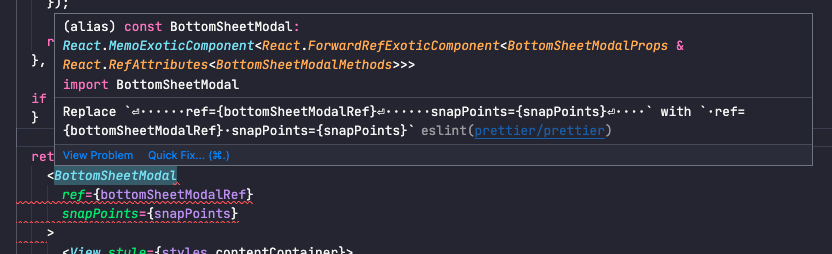
Why Coding Standards Matter
I agree that coding standards are one of the most important techniques for improving code quality. Many people think standards are just about small details like spacing or bracket placement, but they’re much more than that. Good coding standards can actually help you learn programming and catch bugs before they happen.
When you first use a tool like ESLint, it can be overwhelming. Your code fills up with errors about things you didn’t even know were issues, like EOF newlines or unused variables. At first it feels tedious to fix everything. But after you get used to it, you start to see why these rules exist.
The biggest benefit is consistency. When everyone follows the same standards, code becomes much easier to read. You don’t have to waste time adjusting to each person’s different style. This is especially helpful during code reviews when you need to quickly understand what someone else wrote. It’s similar to how essay formats like MLA or APA help keep writing consistent so readers can focus on the content instead of the formatting.
Standards also help people who struggle with formatting. Not everyone naturally writes clean, well-organized code, and that’s okay. The linter acts like a guide that automatically points out issues and helps you develop better habits over time. Eventually you start writing cleaner code without even thinking about it.
But here’s what makes coding standards really powerful: they catch actual errors, not just style issues. ESLint warns you about unused variables, which might mean you have a typo or forgot to finish refactoring. It catches patterns that could cause bugs later. These warnings save you time because you fix problems before you even run the code.
Over time, coding standards teach you to think differently about your code. Instead of just asking “does it work?”, you start asking “is it good code?” You learn to write code that’s not just functional but also maintainable and reliable. The standards make you more aware of potential problems and help you build better programming habits.
So yes, if you can only implement one technique to improve code quality, coding standards enforced by tools like ESLint would be an excellent choice. They’re not just about making code look pretty. They’re about teaching you to write better code, catching bugs early, and making collaboration easier. The initial frustration is worth it because these tools actually make you a better programmer.